

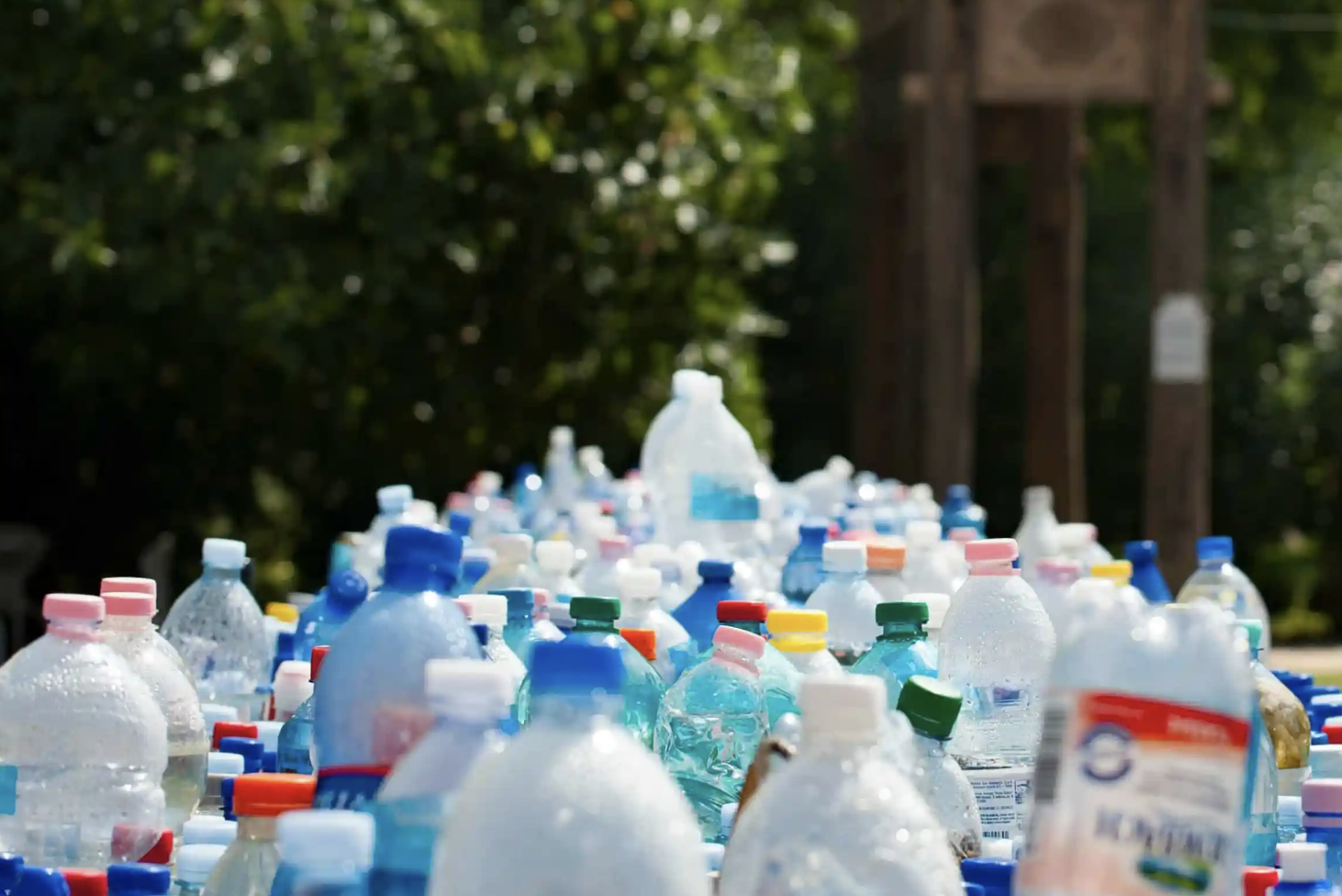
Take The Pledge For A Plastic-Free July
Have you heard of Plastic Free July? It’s a global movement to encourage people to reduce their reliance on single-use plastics throughout the month of July, and hopefully beyond! Modern daily life exposes humans to plastics and microplastics, often without even realizing it. We can be exposed to microplastics through ingestion (food and beverages), through our skin, or through inhalation. As plastic production has increased over the past century, we are not fully able to understand the long-term effects and impacts that plastic and microplastics have on human health.
Research studies are in the works to determine how plastics are affecting human health, and recent research shows that plastic may be able to cross the blood-brain barrier and may ultimately result in neurotoxic effects. There are also studies in progress aiming to determine the potential adverse effects of plastics on our reproductive and endocrine systems, which are vital and delicate. While it may be difficult to avoid plastic completely, there are different ways to reduce your exposure and to reduce the amount of plastic waste that you and your family produce to help create a safer and sustainable environment.
How to Reduce Plastic in the Kitchen
- Skip the pre-cut, pre-packaged fruits and vegetables. They may be convenient, but manufacturers almost always package them in plastic. Instead, opt for fresh, whole fruits and vegetables that you can cut up and prepare yourself. And instead of putting those bulk fruits or vegetables in individual plastic bags at the grocery store, pack a reusable tote bag!
- Consider purchasing a water filter for your kitchen or for your entire house to help improve the quality of your water while simultaneously reducing the amount of plastic bottles that you purchase. Plastic water bottles are less than ideal for multiple reasons. They create excessive waste. We also do not know how long the water has been in the plastic bottle, and we do not know the temperature at which the bottles were stored at the warehouse, during transit, or while at the store. Heating plastic water bottles causes them to release more microplastics into the water, ultimately increasing your exposure.
Ways to Reduce Plastic in the Laundry Room
- Skip the plastic-packaged laundry detergents and head to your local refill shop, where you can bring in glass bottles and fill them with soaps and detergents! This is a great way to reduce your plastic waste because you can refill the same bottle, and you are also most likely purchasing more clean products for your household!
- Consider switching from dryer sheets to wool dryer balls, as dryer sheets release microplastics into your clothes during the drying process.
- Many modern clothing items, such as polyester, nylon, and spandex, are made with synthetic fibers that contain plastic. Consider purchasing more sustainable clothing items, such as linen, cotton, wool, and silk, when possible.
Plastic-Free in the Bathroom
- Local refill shops can also be a great place to find soaps, shampoos, and conditioners in bulk, and shopping here can help to significantly reduce plastic waste in your bathrooms
- Consider switching from plastic-bottled soaps and using bars of soap instead to help reduce waste
- Consider switching to chewable toothpaste, which typically comes in a glass container instead of plastic
- Feminine hygiene products, unfortunately, create an excessive amount of waste, as tampon applicators are often made of plastic, and pads are often wrapped in plastic. Consider switching to a menstrual cup, menstrual underwear, or purchasing tampons with cardboard applicators.
Discovering just how much plastic we are exposed to daily can be truly eye-opening. Making multiple lifestyle changes to reduce plastic waste can feel overwhelming. We recommend replacing items one at a time to help ensure you can create a sustainable, long-term lifestyle that includes less plastic.
Have you made the switch from plastic to more sustainable options? If so, what are some things that you do to help reduce your use of plastics? Do you feel that you need additional guidance and support in making more sustainable choices? Schedule an appointment with one of our naturopathic doctors, who will be happy to help support you on your plastic-free journey!
References:
- Campanale C, Massarelli C, Savino I, Locaputo V, Uricchio VF. A Detailed Review Study on Potential Effects of Microplastics and Additives of Concern on Human Health. Int J Environ Res Public Health. 2020;17(4):1212. Published 2020 Feb 13. doi:10.3390/ijerph17041212
- Lee Y, Cho J, Sohn J, Kim C. Health Effects of Microplastic Exposures: Current Issues and Perspectives in South Korea. Yonsei Med J. 2023;64(5):301-308. doi:10.3349/ymj.2023.0048
- Amato-Lourenço LF, Dantas KC, Júnior GR, et al. Microplastics in the Olfactory Bulb of the Human Brain. JAMA Netw Open. 2024;7(9):e2440018. Published 2024 Sep 3. doi:10.1001/jamanetworkopen.2024.40018
- https://www.plasticfreejuly.org/

What is Orthorexia? Clean Eating vs. Disordered Behavior
Being conscious about what we eat in today’s continually questionable grocery and agriculture mark
Late Winter Recipe Inspirations
Settling into the weeks of colder and darker days encourages a sense of routine, of nesting, and per

The Mental Health Benefits of Exercise & Movement
Our mental health is influenced by such a huge array of situations, and our response in terms of our